
Not Stupid
What happens to those who don't meet criteria for a diagnosis, but who still struggle?

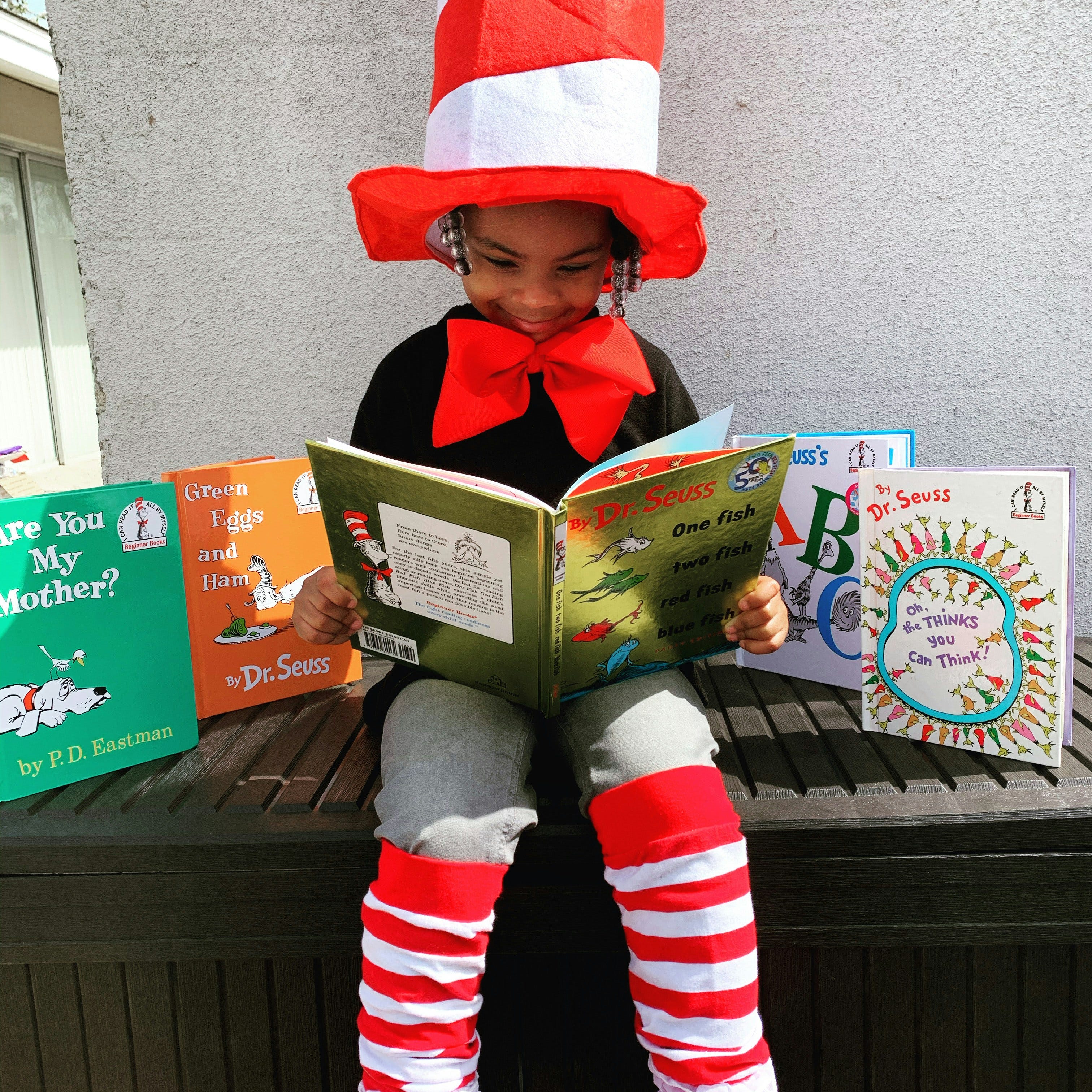
When my children were young, we were in a mixed group of schooled and unschooled children. Neither of my unschooled children could read at the time, although they were of an age when schooled children usually could. When one of the schooled girls – let’s call her Isabella - discovered this, she immediately started talking about dyslexia.
‘My friend is really clever’ she said ‘But she’s dyslexic, so she can’t read’.
My children looked blank. And at the moment I realised that not only did they not know about dyslexia, they also weren’t in a world where children were clever – or not. They weren’t being compared against other children on a daily basis, and they hadn’t learnt that adults considered some things (like reading) to be much more important than other things (like Minecraft). In their world, people were skilled at different things, but there wasn’t judgement attached to that about them as a person. They weren’t clever, or stupid. They were just.. skilled at different things. Like adults.
It made me think about the work that dyslexia was doing here, because implicit in what Isabella had said was the idea that if her friend hadn’t been dyslexic, she might have been thought of as stupid. The dyslexia diagnosis was the alternative. It provided an explanation. She could be clever, even though she couldn’t read.
On another occasion, I was talking to a colleague. She told me about a father who had asked her to assess his daughter, aged about nine. She was finding schoolwork very challenging and they thought that it might be dyslexia.
My colleague carried out the assessment; the child did not meet diagnostic criteria for dyslexia and performed poorly on cognitive tests. Not intellectually disabled, just significantly below average.
‘What should I tell the family?’ she asked me, rhetorically. ‘That it’s not dyslexia, but their daughter is just not very bright?’.
I couldn’t tell her what to say. This is not an explanation that people typically want. The diagnoses that people tend to want usually come with a comparison built in. We’ve accepted those as a culture.
“She’s not stupid, she’s dyslexic.”
“He’s not naughty, he’s autistic.”
“She’s not lazy, she has ADHD.”
They offer an alternative to shaming and judgement, and that’s really important. They can feel liberating.
The problem is, this alternative not available to everyone. Because if the diagnostic system has any validity at all, it has to exclude some people. There’s no point in being ‘not stupid’ unless it differentiates you from others who are stupid. There’s no meaning in being ‘not lazy’ unless there are other people behaving in similar ways who are lazy.
And here is my concern with the way that the diagnostic system is functioning in children’s lives. It can (although doesn’t always) bring understanding and empathy – except when you don’t get one. For every child who is told they aren’t stupid because they are dyslexic, there’s another child who isn’t dyslexic and who is left with being stupid. It’s an escape from shame, but only for some.
These diagnoses operate as a sort of redemptive explanation, dividing people into those who have an apparent reason and those who don’t. It seems to me it’s a bit like dividing people into the worthy, and the not-so-worthy.
We hear much less from those who are told they don’t meet diagnostic criteria. There are no communities organised around them, no memoirs that I’ve read of not being autistic, but struggling socially anyway or not being dyslexic, but still not learning to read.
I wonder if that’s because these people are ashamed. They feel that their problems are their fault. In a world with headlines like ‘I wasn’t broken, I was autistic’, they feel like the broken ones. There’s no redemption in their story.
When we talk about the power of diagnosis, I don’t think we can afford to forget the power of not fitting diagnostic criteria. They will always be there, because a diagnosis exists in order to divide.
What happens to them?
I have been thinking about this a lot lately, so this is a timely post. Thanks for articulating so clearly what I’ve been worrying about.
I think my daughter has a range of neurodivergent traits, but is unlikely to meet the diagnostic criteria for any particular diagnosis.
She is struggling in mainstream primary school in a range of fairly non specific ways.
It feels like a really tricky place to be.
It's a good question and I think part of the problem is we are so limited in our view of what it is worthwhile for people to be good at. I'd love to see children celebrated for being kind, or coming up with good games, or interesting things to say, or making stuff, solving problems, the list goes on. What is really behind it is whether they are useful and productive in capitalist society. If not, they are basically rendered worthless, so the pill is sweetened with a diagnostic explanation.